23rd August is the UNESCO sanctioned International Day for the Remembrance of the Slave Trade and of its Abolition. Importantly, UNESCO begin their description of the event thus:
The night of 22 to 23 August 1791, in Santo Domingo (today Haiti and the Dominican Republic) saw the beginning of the uprising that would play a crucial role in the abolition of the transatlantic slave trade.
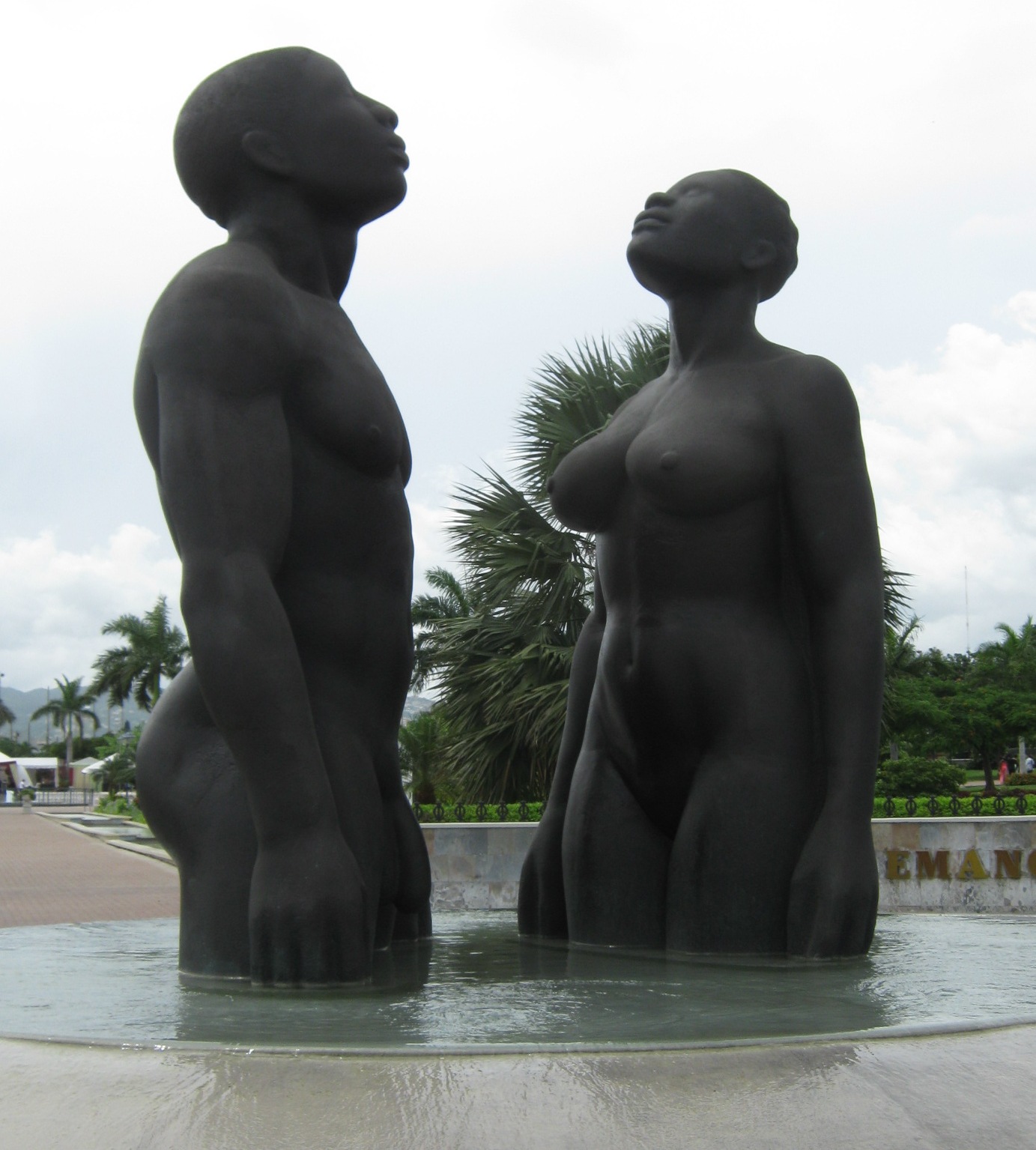 Abolition is usually remembered in terms of William Wilberforce, e.g., the “slaves” are freed by the sons of the slave master culture. But kudos to UNESCO for these first few lines because they bring to light a titanic struggle to remember abolition in terms of self-abolition authored by the enslaved. For example, funding seems to be always readily available for a film on William Wilberforce. Yet despite some help from Hugo Chavez, Danny Glover has found it much harder to fund his film on Toussaint L’Ouverture.
I was in the audience at a Sussex University graduation when Richard Attenborough, conferring an honorary PhD on Dr Mamphela Ramphele, acknowledged the latter’s criticism of his film Cry Freedom.  Ramphele, a founding Black Consciousness activist and friend of Steve Biko, had, back in the day, introduced white journalist Donald Woods (star of Cry Freedom) to Biko. Ramphele was a consultant to Attenborough during the shooting of Cry Freedom and was adamant that a film on anti-apartheid should position the struggling oppressed as the main protagonists. Attenborough conceded that he did not believe a film would sell among Western audiences that had an African as the central hero. But how did he know that? Perhaps Attenborough did not have enough faith in the message he was narrating. In any case, just as the story of enslavement so often becomes a story of Wilberforce thinking about abolition, so Attenborough’s film became a story of Donald Woods thinking about Biko.
Remembering slavery days in terms of creative survival, struggle, and self-liberation is itself a struggle against the cultural and institutional apparatus of colonial amnesia. In fact, this remembrance reveals an encoded message that to the masters of slavery culture must be left un-cyphered because it is DREDD. The message threatens to unravel all paternalism, supremacism and un-accountable “humanitarianism”: remember that the oppressed have carried forth the torch of humanity despite the best opposition of the “civilized”; remember that the enslaved fundamentally liberated and are liberating themselves.
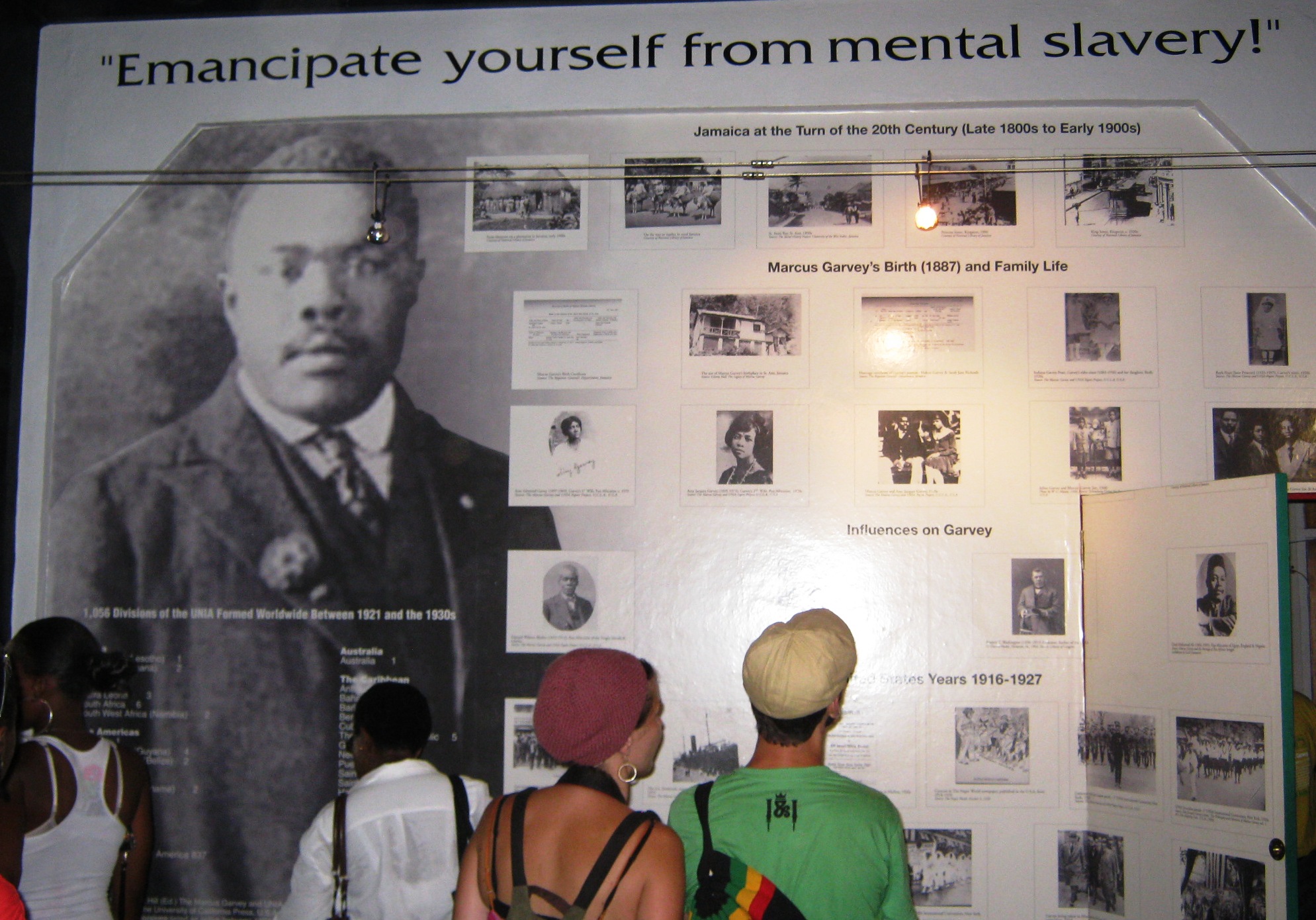 Whenever I have taught the Haitian Revolution to university students, there has always been a broad swell of interest, amazement and revelation. This is especially so amongst students with Afrikan heritage, those with various colonial heritages, but also among white-European/Western students. When we start the topic, I catch feelings of disorientation, then a bit of outrage (WHY didn’t we get taught this at school?) and then a sense of over-standing. Because as soon as it is remembered it becomes common sense that, yes, of course(!) those who are down-pressed will press back (in many different ways) and save themselves, sometimes with a little help from true friends. Once students are allowed to consider this, they feel a little bit more at home in their own world and in their own skin.
There are, though, many pitfalls in the struggle over remembrance. Can we remember that great triarchy – Toussaint, Dessalines and Christophe – and at the same time remember the militias who, when the three had worked out an accord with the French in 1802, refused to put down their arms and in fact forced the three to pick up their weapons again? While we marvel at the monumental palace of Sans-Souci, built by Christophe in the interior of Haiti, can we also remember Jean Baptiste Sans-Souci, one of the militia leaders, killed by Christoph, and whose bones lie somewhere in the vicinity of the palace?
  As we remember Dutty Boukman, the Muslim priest who presided over the Vodou ceremony at Bois Caiman that inaugurated the revolution around the 23rd August 1791, can we also remember Cecile Fatiman, the priestess who warned all present of the sacredness of the blood oath of victory or death (itself a victory over slavery)? Were not men and women forging the struggle in their own capacities and intensities? Can we rise to the challenge of remembering in fullness? Remembrance of this kind is active, not passive. And it is a fundamentally democratic impulse. Colonial amnesia seeks to make the public sphere complicit in genocide. Not the killing of bodies, but the killing of ancestors, stories, and spirits that might enliven the down-pressed of our own era.
Neither are the battle lines that are drawn over this remembrance simply black vs white. Colonial amnesia is a contagious disease. For example, here is what the official Malaysian tourist website says of the culture of Melaka (Malacca), ancient entrepot of South East Asia:
Melakan culture is a tapestry woven over six centuries of diverse ethnic customs, folklore and traditions. The harmonious co-existence of people of different cultures and religions inherited from centuries of multi-racial living has produced the fluid intermingling of the Malays, Chinese, Indians, Babas and Nyonyas, Portuguese, Chitty and the Eurasians. Each ethnic group adds to the pluralistic and ever changing society of the people of Melaka that is itself a group of diverse, friendly and hospitable people.
Here is a 1871 census from the British imperially controlled Straits Settlements (incorporating Melaka):
Europeans and Americans
Armenians
Jews
Eurasians
Abyssinians
Achinese
Africans
….etc (at least 21 more categories of people – see below in comments. no one will be forgotten!)
 Those Africans – forgotten by Malaysia Tourism Inc. – came mostly from the Indian Ocean slave trade. It was in existence before Europeans arrived, but was then dominated by the Portuguese and subsequently the Dutch, and continued most probably into the 1860s in one clandestine form or another. The 1891 census mentions Africans too, but now under “other nationalities” – other to whom? Were there Toussaints, Dessalines, Christophes, San-Soucis, Boukmans and Fatimans in Melaka?
  There were certainly plantations; they operated differently in some ways to those of the Americas, but they were the same in many other ways. What happened to the memories of these struggles by the eastern rivers of Babylon? Who were the friends of the African enslaved (if any)? For there were other enslaved here too. What happened to their stories? Are they truly forgotten or, instead, not spoken? Are their descendants camouflaged… so well that the bodies that bear them don’t even realise? How far have they travelled? With whom? Are they feeling at home in their own world in their own skin? Who will remember?


 Robbie Shilliam
Leave a reply to Minna Salami (@MsAfropolitan) Cancel reply